Nutrition Tips for Sustainable Health and Well-Being

Healthy eating does not require a perfect menu, expensive ingredients, or strict rules. Sustainable nutrition means choosing nourishing foods and routines that fit your health needs, culture, budget, schedule, preferences, and energy levels.
What Sustainable Nutrition Really Means
Sustainable nutrition is a flexible, enjoyable eating approach that supports physical and mental well-being over time. It focuses on consistent nourishment rather than short-term restriction or perfection.
A sustainable pattern can include a balanced diet rich in fruits and vegetables, whole grains, protein, healthy fats, and fluids. It can also include convenience foods, celebratory meals, and familiar comfort foods. The goal is a pattern you can return to after busy days, travel, illness, or changes in routine.
Think of nutrition as a “minimum effective routine.” Instead of attempting a complete lifestyle overhaul, identify a few basics that make meals more satisfying:
- Add a fruit or vegetable when practical.
- Include a source of protein in meals and snacks that need more staying power.
- Choose whole grains or another carbohydrate source for energy.
- Use healthy fats, such as nuts, seeds, olive oil, avocado, or oily fish, when they suit your preferences.
- Drink regularly and respond to thirst.
This approach leaves room for medical nutrition needs and personal variation. Anyone managing diabetes, kidney disease, food allergies, gastrointestinal symptoms, pregnancy-related needs, or an eating disorder should seek individualized guidance from a registered dietitian or qualified healthcare professional.
Build Balanced, Nourishing Meals
A balanced meal usually combines vegetables or fruit, a carbohydrate source, protein, and some healthy fat, although the exact proportions can vary. This flexible combination supports satisfaction without requiring calorie counting or precise measurements.
Use the plate as a visual guide rather than a rigid formula. You might fill about half the plate with vegetables and fruit, add a quarter with whole grains or another carbohydrate, and include a quarter with protein. These proportions are a starting point, not a rule for every person or every meal.
Use simple combinations
- Brown rice, black beans, roasted peppers, salsa, and avocado.
- Whole-grain pasta with lentils, tomato sauce, spinach, and olive oil.
- Potatoes with eggs, sautéed greens, and plain yogurt.
- Tofu, noodles, frozen vegetables, and a sesame-based sauce.
- Oatmeal with milk or fortified soy beverage, banana, and peanut butter.
Protein can come from beans, lentils, tofu, eggs, fish, poultry, meat, dairy products, nuts, seeds, or fortified alternatives. Carbohydrates are also valuable sources of energy; whole grains, potatoes, corn, fruit, and rice can all fit into a nourishing pattern. Choosing one food group for praise and another for blame makes eating harder than it needs to be.
If a full meal is unrealistic, build a “bridge meal”: a sandwich with fruit, soup with crackers and cheese, or a ready-made grain bowl with added beans. Adequate and practical is often more useful than ideal.
Focus on Food Quality and Variety
Nutrient-dense foods provide useful nutrients relative to their energy content, but a healthy eating pattern also needs variety, enjoyment, affordability, and cultural relevance. Quality improves when nourishing choices are added, not when every less-nutrient-dense food is eliminated.
Rotate colors, textures, and ingredients across the week. Dark leafy greens, orange vegetables, berries, citrus fruit, legumes, whole grains, dairy or fortified alternatives, seafood, and seeds each offer different nutrients. Frozen, canned, and dried foods can be just as practical as fresh options. Choose canned vegetables or beans with less sodium when available, and rinse them if that works for your meal.
Food variety does not mean buying a different recipe every night. A few flexible ingredients can create several meals:
- Cook a pot of grains and use them in bowls, soups, or salads.
- Keep frozen vegetables for quick stir-fries, omelets, and pasta.
- Use canned beans in tacos, stews, grain bowls, or mashed spreads.
- Buy seasonal produce when it is affordable, then freeze extra portions.
Dietary guidance from the U.S. Dietary Guidelines emphasizes dietary patterns rather than one magic ingredient. That perspective matters: a familiar meal made with accessible ingredients may support your well-being more effectively than an expensive “superfood” you cannot regularly purchase or enjoy.
Create Practical Eating Habits That Last
To create lasting eating habits, plan a few repeatable meals, prepare ingredients in manageable batches, eat regularly when possible, and keep hydration visible. The best system reduces daily decisions without turning food into a test.
Plan around your real week
Before shopping, list two breakfasts, two lunches, and three dinners you can realistically prepare. Check your schedule, cooking energy, storage space, and budget. A plan should include leftovers and emergency options, such as frozen meals, canned soup, whole-grain toast, yogurt, fruit, or hummus.
Batch preparation can take 30 to 60 minutes, but even 10 minutes helps. Wash fruit, portion nuts, cook one protein, or chop vegetables for the next day. Choose preparation methods that match your ability; pre-cut produce, microwave grains, and ready-to-eat foods are legitimate tools.
Support mindful eating and hydration
Mindful eating means noticing hunger, fullness, flavor, satisfaction, and distractions without demanding perfect attention. Eating slowly may help some people recognize satisfaction, while others need structured meals because of medication, work demands, sensory needs, or inconsistent appetite.
For hydration, keep water near your workspace, carry a reusable bottle, or pair drinking with regular routines. Water is a useful default, but unsweetened tea, milk, fortified alternatives, and water-rich foods can contribute to fluid intake. Individual needs vary with climate, activity, illness, and medications, so do not force excessive fluids.
Make Nutrition More Inclusive and Accessible
Inclusive nutrition adapts healthy eating guidance to different bodies, abilities, cultures, dietary patterns, budgets, allergies, and access to food. A recommendation is only useful when a person can safely obtain, prepare, eat, and enjoy it.
Vegetarian, vegan, halal, kosher, gluten-free, low-lactose, and culturally specific diets can all include balanced meals. Substitutions should preserve the role of an ingredient: beans or tofu can replace meat for protein, fortified soy beverage can replace dairy in some uses, and rice, corn, potatoes, or certified gluten-free oats can replace wheat-based grains for people who need to avoid gluten.
Accessibility also includes physical and sensory considerations. Someone with limited mobility may benefit from delivery services, lightweight cookware, pre-cut ingredients, or meals that require no chopping. A person with sensory sensitivities may prefer predictable textures and separate foods. People with limited food access may need shelf-stable staples and community resources rather than advice centered on specialty produce.
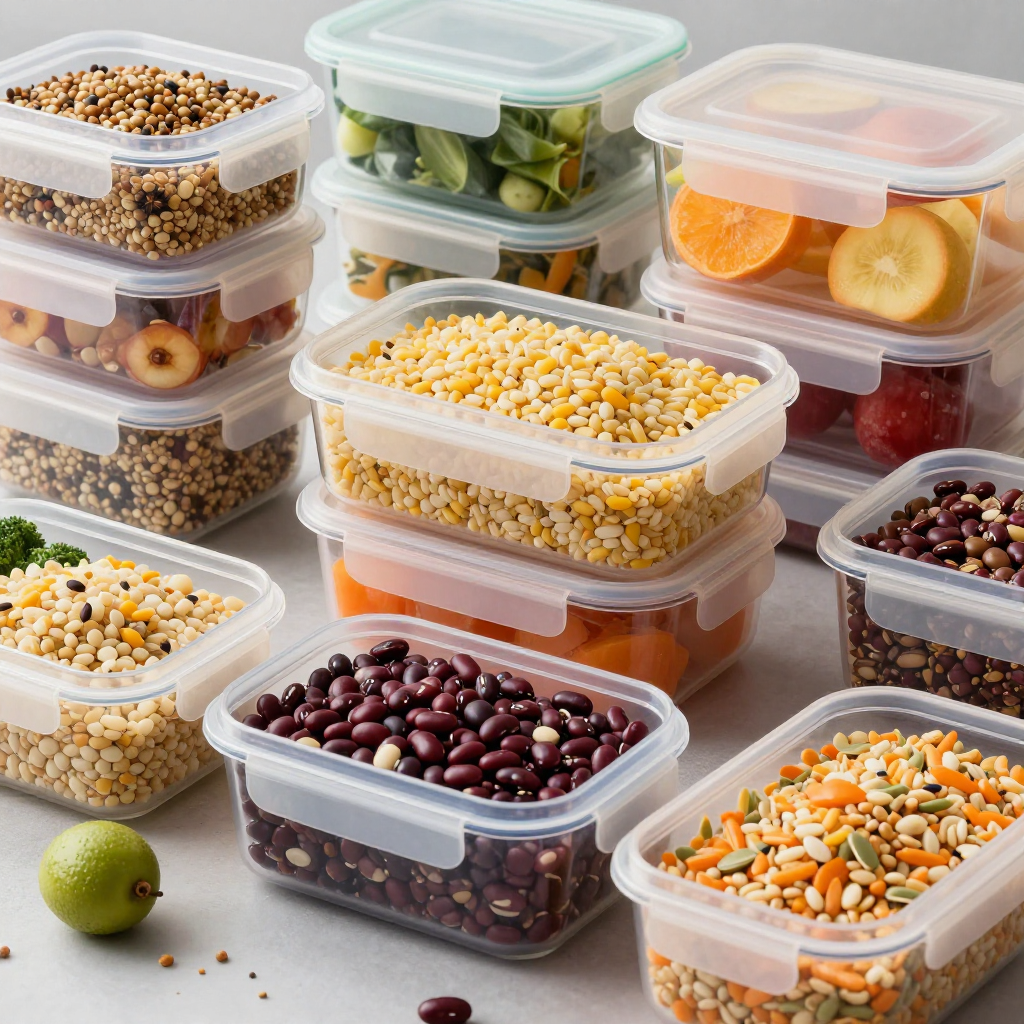
Budget-friendly nutrient-dense foods often include oats, eggs, beans, lentils, potatoes, cabbage, carrots, peanut butter, canned fish, frozen vegetables, and store-brand whole grains. Compare unit prices, use leftovers safely, and build meals around what is already available. If food insecurity affects your choices, support from a food bank, community pantry, school meal program, or social service may be more appropriate than additional meal-planning advice.
Move Beyond Restrictive Nutrition Rules
Flexible nutrition rules are more sustainable than guilt-driven restriction because they protect enjoyment, social connection, and a workable relationship with food. Portion awareness can guide choices without turning portions into moral judgments.
Restrictive plans often fail when they require constant avoidance, label foods as “good” or “bad,” or treat hunger as a lack of discipline. All-or-nothing thinking can turn one unplanned meal into a reason to abandon supportive habits for days or weeks.
Try neutral questions instead:
- What would make this meal more satisfying?
- Could I add protein, produce, or a carbohydrate source?
- How hungry am I, and what portion feels appropriate today?
- Will this choice work with my budget, culture, schedule, and energy?
Portion awareness may involve using a smaller serving first, eating from a plate instead of a package, or saving leftovers. It can also mean taking more food when you remain hungry. Appetite changes are normal, and body size alone does not reveal someone’s health, needs, or habits.
Be cautious with plans that promise guaranteed results, eliminate broad food groups without a medical reason, or encourage shame. If food rules create anxiety, bingeing, compensatory behaviors, or fear of eating, professional support from a healthcare provider or eating-disorder specialist is appropriate.
Turn Nutrition Tips Into a Personal Plan
To turn nutrition tips into a personal plan, choose one or two small changes, test them for one to two weeks, observe how they affect energy and satisfaction, and adjust without self-criticism.
Use the FLEX framework
FLEX stands for Fit, Layer, Experiment, and eXamine. It keeps nutrition practical rather than perfectionistic.
- Fit: Choose a change that matches your schedule, budget, culture, and abilities. For example, add frozen vegetables to one dinner each day.
- Layer: Add nourishment to an existing routine. Put fruit beside breakfast, add beans to soup, or keep water next to your computer.
- Experiment: Test the change for seven to fourteen days instead of declaring it a lifelong rule.
- eXamine: Notice hunger, digestion, energy, enjoyment, cost, and convenience. Keep what helps and modify what does not.
A useful first goal might be eating a regular breakfast three days per week, preparing one versatile ingredient on Sunday, or including a protein source at lunch. Sustainable eating habits grow through repetition and adjustment. They do not require a flawless record.
Frequently Asked Questions
What does a balanced meal include?
A balanced meal commonly includes vegetables or fruit, a carbohydrate source such as whole grains or potatoes, protein, and some healthy fat. The amounts can change according to hunger, health needs, culture, and activity.
How can I eat healthily on a budget?
Build meals around affordable staples such as beans, lentils, oats, eggs, potatoes, frozen vegetables, canned fish, and seasonal produce. Compare unit prices, plan around sales, and use leftovers to reduce waste.
How do I maintain healthy eating habits when I am busy?
Keep quick foods available, prepare one ingredient in batches, and use bridge meals such as sandwiches, soup, yogurt with fruit, or microwave grains with beans. Convenience can support nutrition when time and energy are limited.
Can healthy nutrition look different for different people?
Yes. Dietary needs, allergies, medical conditions, culture, finances, sensory preferences, disability, access, and appetite all affect what sustainable nutrition looks like. Individual medical concerns require professional guidance.
How can I avoid restrictive dieting while improving my diet?
Focus on adding satisfying foods, use neutral language, practice portion awareness, allow flexibility, and evaluate how a change affects well-being rather than chasing perfection or punishment.