Breaking Stigmas: Supporting Mental Health in Marginalized Communities

Mental health stigma can make it harder to name distress, seek care, or feel safe receiving support. For people in marginalized communities, those challenges may overlap with discrimination, economic inequity, cultural misunderstandings, and past harm from institutions.
These experiences do not define anyone’s strength or identity. A mental health equity approach looks at both personal wellbeing and the conditions that shape it, while respecting community knowledge, cultural identity, and each person’s right to choose support.
What Mental Health Stigma Looks Like
Mental health stigma is the set of negative beliefs, stereotypes, and unequal treatment associated with mental health conditions or seeking support. It can appear publicly, internally, or through institutions, and each form can discourage people from getting help.
Three forms of stigma
- Public stigma: Other people may label someone as weak, dangerous, unreliable, or incapable because of a diagnosis or emotional struggle. A family member might dismiss depression as a lack of gratitude, while a workplace may question an employee’s competence after they disclose anxiety.
- Internalized stigma: A person may absorb harmful messages and begin to feel shame, self-blame, or fear about their own needs. They might delay care because they believe they should manage alone.
- Institutional stigma: Policies and practices can create unequal treatment. Examples include inaccessible services, limited language options, rigid appointment systems, inadequate disability accommodations, or providers who lack training in identity-affirming care.
Marginalized people may also face pressure to protect their family, community, employment, immigration status, housing, or safety. Avoiding disclosure can therefore be a practical decision, not evidence that someone does not value mental health.
Why Marginalized Communities Face Additional Mental Health Barriers
Marginalized communities face additional mental health barriers because discrimination and unequal access can create ongoing stress while making quality care harder to reach. Mental health concerns often reflect a combination of personal, social, and structural conditions.
Racism, ableism, homophobia, transphobia, religious discrimination, xenophobia, and other forms of discrimination can produce repeated experiences of vigilance and exclusion. Socioeconomic inequity may add unstable housing, food insecurity, unsafe work, transportation problems, or a lack of paid time off. These pressures can affect sleep, mood, relationships, and physical health.
Historical harm matters too. Some communities have experienced forced treatment, medical exploitation, family separation, criminalization, or dismissal by healthcare systems. That history can influence whether a person trusts a provider. Trust should be earned through transparency and respect, not demanded as a condition of care.
Language barriers can complicate assessment, informed consent, and treatment. A person may need an interpreter, translated materials, or a clinician who understands culturally specific ways of describing distress. Digital services can expand access, but telehealth still depends on privacy, internet access, suitable devices, and a location where someone feels safe speaking openly.
These barriers are not universal within any group. The goal is to recognize patterns without reducing people to them. Access is part of mental health care, not an issue separate from it.
The Role of Culture, Identity, and Intersectionality
Culture, identity, and intersectionality shape how people understand distress, express emotions, seek help, and experience safety. Intersectionality describes how overlapping identities and systems of power can create experiences that cannot be understood by looking at one identity alone.
A Black disabled woman, for example, may encounter racism, sexism, and ableism in the same healthcare setting. A queer immigrant may weigh concerns about family acceptance, legal status, language, and provider safety at once. A person’s religion may be a source of meaning and community, while also influencing how they interpret therapy or healing. None of these experiences can be assumed from a label.
Identity-affirming care allows people to define themselves and decide which parts of their identity matter in treatment. It does not require a client to educate a therapist about every aspect of their life. It also avoids treating cultural beliefs, spirituality, family relationships, or community support as problems simply because they differ from a provider’s expectations.
A culturally responsive clinician may ask:
- How do you describe what you are experiencing?
- What cultural, spiritual, or community practices support you?
- What concerns do you have about seeking care?
- What would help this service feel safer and more accessible?
Good care stays curious without making assumptions. It treats culture and identity as sources of context, knowledge, and strength rather than as barriers to be corrected.
Challenging Common Myths and Harmful Language
Challenging mental health myths means replacing judgment and generalizations with accurate, person-centered language. Words influence whether people feel respected, believed, and able to seek support.
Harmful assumptions and better alternatives
- Myth: Mental health concerns show that someone is weak. Better understanding: Mental health is influenced by biology, relationships, trauma, discrimination, living conditions, and many other factors. Seeking help is a health decision.
- Myth: A person’s cultural or religious community is the reason they need care. Better understanding: Communities can provide belonging, meaning, and practical support. A respectful approach asks what helps and what harms instead of assigning blame.
- Myth: Someone who looks successful cannot be struggling. Better understanding: Distress is not always visible, and achievement does not remove the need for support.
- Myth: A diagnosis tells you everything about a person. Better understanding: A diagnosis is one part of someone’s health information, not their personality, potential, or whole identity.
Avoid labels such as “crazy,” “attention-seeking,” or “noncompliant.” Describe the situation instead: “They are experiencing severe distress,” or “The treatment plan may not fit their needs.” Ask whether a person prefers identity-first or person-first language. Their preference comes first.
Finding Inclusive and Culturally Responsive Support
To find inclusive mental health support, assess cultural responsiveness, identity affirmation, accessibility, cost, privacy, and practical fit before committing to care. The right provider is not simply available; they should also respect your context and choices.
A practical screening process
- Define your needs: Consider language, identity, disability access, faith, trauma history, location, scheduling, and whether you prefer individual therapy, group support, medication care, peer support, or a combination.
- Check provider information: Look for experience with your concerns and communities. Professional directories, local cultural organizations, LGBTQ+ centers, disability groups, colleges, and community health centers may offer leads.
- Ask direct questions: You can ask about fees, sliding-scale places, interpretation, telehealth privacy, confidentiality, pronoun use, accessibility, and experience providing identity-affirming therapy.
- Evaluate the first conversation: Notice whether the provider listens, explains options, welcomes correction, and avoids making you defend your identity. One uncomfortable interaction does not mean all therapy will feel that way, but repeated dismissal is a valid reason to leave.
- Build a wider support network: Community-based support, peer groups, trusted elders, mutual-aid networks, and culturally specific organizations can complement professional care. They should supplement care when needed, not be forced to replace it.
Low-cost options may include federally qualified health centers, public clinics, training clinics, employee or student assistance programs, nonprofit counseling agencies, and sliding-scale therapists. The SAMHSA treatment locator can help people in the United States search for mental health and substance-use services. Availability and eligibility vary, so confirm details directly.
How Allies and Communities Can Reduce Stigma
Allies and communities reduce stigma by listening without judgment, protecting privacy, improving accessibility, and supporting community-led solutions. Small conversations matter, but lasting mental health equity also requires changes in policies and resources.
- Listen before advising: Ask, “Would you like support, information, or simply company?” Do not turn a disclosure into an interrogation.
- Use respectful language: Follow a person’s name, pronouns, and preferred descriptions. Correct stigmatizing language without making the conversation about your own intentions.
- Respect confidentiality: Do not share someone’s diagnosis, therapy attendance, or personal story without permission, except when immediate safety procedures require action.
- Improve access: Offer interpreters, captions, quiet spaces, flexible scheduling, transportation support, sensory accommodations, and clear information about cost.
- Fund community leadership: Support culturally specific organizations, peer-led programs, mutual aid, and local advocates. People closest to a problem often understand what a workable solution requires.
- Challenge systems: Workplaces, schools, clinics, and faith communities can review leave policies, referral processes, crisis protocols, and staff training for hidden barriers.
Support should not depend on someone proving they are in crisis. Prevention, connection, and early care protect wellbeing before problems become emergencies.
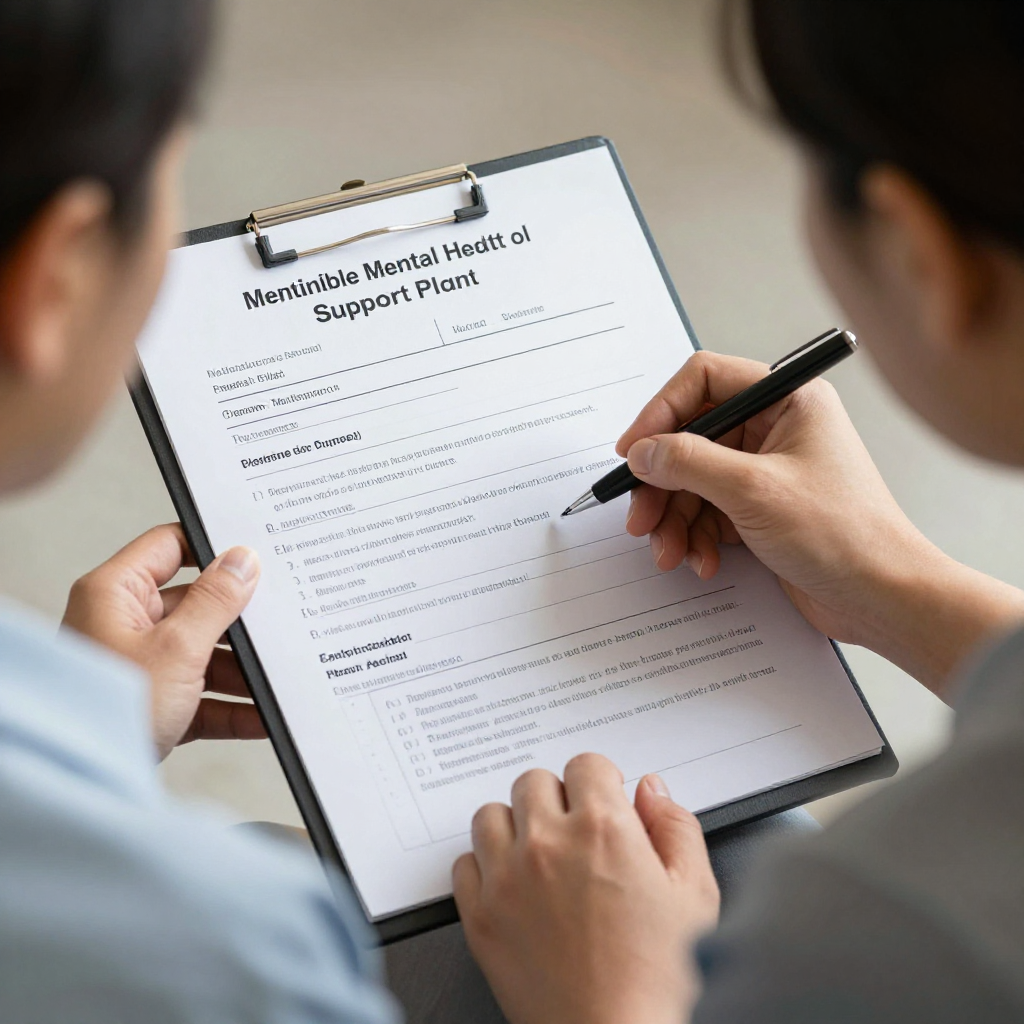
Building a Personal Mental Health Support Plan
A personal mental health support plan identifies trusted people, preferred care, coping practices, boundaries, and crisis resources before you urgently need them. Keep it simple enough to use on a difficult day.
- Name early signals: Notice changes such as isolation, racing thoughts, hopelessness, disrupted sleep, panic, irritability, or difficulty completing daily tasks.
- Choose two or three supports: List people, services, peer groups, cultural or spiritual resources, and professional contacts you would feel comfortable approaching.
- Record preferences: Include language needs, accessibility requirements, pronouns, medication information if relevant, and what makes care feel safe.
- Set boundaries: Decide what you want others to ask, what information remains private, and which forms of advice are unhelpful.
- Plan for urgent moments: Write down local crisis services, a safe place, emergency contacts, and steps for reducing immediate risk. In the United States, call or text 988 for the Suicide & Crisis Lifeline. Elsewhere, contact your local emergency or crisis service.
If you may hurt yourself or someone else, cannot stay safe, or face a medical emergency, seek immediate help through emergency services or the nearest emergency department. Personal coping practices can help with everyday wellbeing, but they are not a substitute for qualified professional or crisis support.
Frequently Asked Questions
Why does mental health stigma affect marginalized communities differently?
Stigma can combine with discrimination, poverty, language barriers, historical harm, and fear of institutional consequences. A person may face both judgment about mental health and risk connected to identity, employment, housing, family, or immigration status.
What is culturally responsive mental health care?
Culturally responsive care adapts communication and treatment to a person’s cultural identity, language, values, history, and preferences. It avoids assumptions and invites the client to define what respectful, useful care means.
How can I find an identity-affirming therapist or support group?
Search professional directories, community health centers, LGBTQ+ organizations, disability groups, cultural associations, universities, and peer-led networks. Ask prospective providers about relevant experience, accessibility, cost, confidentiality, and how they respond when clients correct them.
How can I support someone experiencing mental health stigma?
Believe their experience, listen without judgment, respect privacy, use their preferred language, and ask what support they want. Offer practical help with appointments or transportation when invited, while respecting their autonomy.
What should I do if I need immediate mental health support?
Contact a local crisis line, emergency service, qualified clinician, or trusted person who can stay with you. If there is immediate danger, call emergency services or go to the nearest emergency department. In the United States, call or text 988.