Mindful Meditation Techniques for Beginners: A Practical, Inclusive Guide to Getting Started
What Is Mindful Meditation (and Why It's for Everyone)
Mindful meditation is the practice of deliberately paying attention to the present moment — your thoughts, sensations, and surroundings — without judging what you notice. It doesn't require a special background, a particular belief system, or any previous experience. You don't need to be calm already. You just need to be willing to try.
Mindfulness as a concept has roots in ancient contemplative traditions, but the secular practice used in modern wellness contexts is largely informed by clinical research on stress reduction and mental health. Jon Kabat-Zinn's Mindfulness-Based Stress Reduction (MBSR) program, developed in the late 1970s, helped establish mindfulness meditation as a practical, evidence-informed tool — not a spiritual requirement.
This matters because it means meditation belongs to everyone. Whether you're managing chronic stress, navigating anxiety, dealing with physical limitations, or simply curious about slowing down — present-moment awareness is something your mind is already capable of. The techniques in this guide are designed to meet you exactly where you are.
How to Prepare for Your First Session
Preparing for meditation is simpler than most people expect. You don't need a dedicated room, special cushions, or a specific amount of time — even five minutes is a meaningful practice.
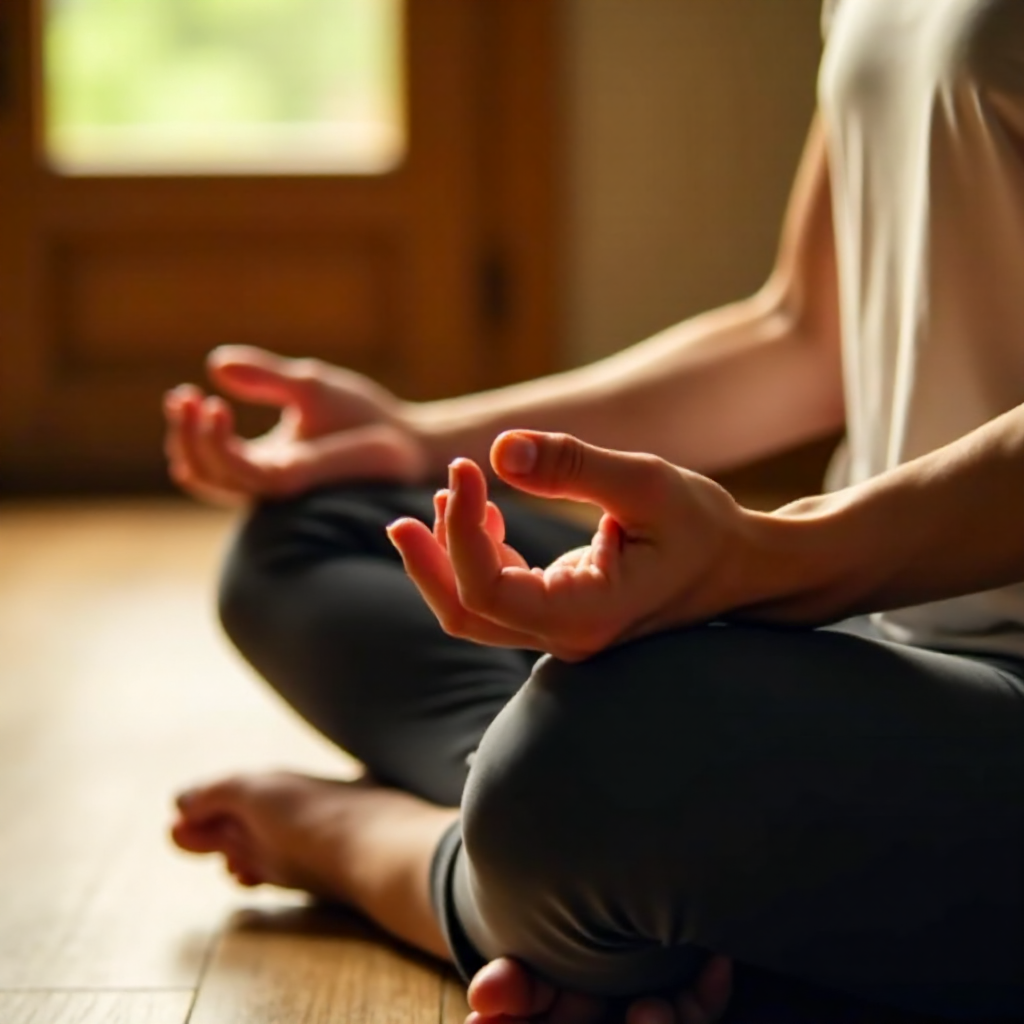
Start by choosing a position that feels genuinely comfortable. Sitting upright in a chair with your feet flat on the floor works just as well as sitting cross-legged on the ground. If you have back pain, mobility limitations, or simply prefer it, lying down is completely valid. Meditation posture is about sustainable comfort, not aesthetic form.
A few simple setup tips:
- Find a space where you're unlikely to be interrupted for the duration of your session
- Set a gentle timer so you're not checking the clock — even a soft chime works
- Silence your phone or put it face-down
- Decide in advance how long you'll sit: 5 minutes is enough to start
There's no perfect environment. Some people meditate in a quiet bedroom; others manage it on a lunch break in a parked car. What matters is consistency, not conditions.
Breath Awareness: The Foundational Technique
Breath awareness is the most accessible entry point into mindfulness meditation, and it's exactly what it sounds like: you pay attention to your breath as it moves in and out of your body.
Here's how to practice it, step by step:
- Settle into your position and close your eyes, or soften your gaze downward if closing them feels uncomfortable
- Take one slow breath in through your nose, and exhale through your mouth — just to signal to your body that you're shifting gears
- Let your breathing return to its natural rhythm. Don't try to control it. Just observe.
- Notice the physical sensations — the rise of your chest or belly, the feeling of air entering your nostrils, the brief pause between inhale and exhale
- When your mind wanders (and it will), gently bring your attention back to the breath. No frustration needed — this return is the actual practice.
The wandering mind is one of the most misunderstood parts of beginner practice. Many people assume that thoughts drifting away means they're failing. They're not. Noticing that your mind has wandered and choosing to redirect it is precisely what mindfulness training looks like. You might do this dozens of times in a five-minute session, and that's completely normal.
The Body Scan: Connecting Mind and Body
The body scan is a technique that involves slowly moving your attention through different parts of your body, noticing sensations without trying to change them. It's particularly useful for building body awareness and releasing physical tension you may not have realized you were holding.
This practice works for people across a wide range of physical abilities and is often done lying down, though seated versions are equally effective. There's no requirement to feel anything specific — the goal is observation, not achievement.
A simple beginner body scan:
- Start at the top of your head and notice any sensations — warmth, pressure, tingling, or nothing at all
- Slowly move your attention down: forehead, jaw, neck, shoulders
- Continue through your arms, chest, belly, lower back, hips, legs, and feet
- At each area, pause for a few seconds and simply notice what's there
- If you notice tension or discomfort, breathe toward that area without forcing a change
The body scan is especially valuable for people who spend a lot of time in their heads — whether from stress, anxiety, or demanding cognitive work. It gently reestablishes the connection between mind and body without requiring any physical exertion. A 10-minute body scan before sleep can also help ease the transition into rest.
Guided Meditation and Audio Tools
Guided meditation — where a recorded or live voice leads you through a session — is one of the most effective formats for beginners because it removes the pressure of knowing what to do next. You simply follow along.
Apps like Insight Timer, Calm, and Headspace offer free beginner tracks ranging from 3 to 20 minutes. The National Center for Complementary and Integrative Health also provides research-backed information on meditation formats if you want to understand the science before committing to a tool.
When choosing a guided format, consider:
- Voice and tone — some people prefer a calm, neutral delivery; others find warmer or more conversational guides easier to follow
- Session length — start with 5-10 minute tracks and work up gradually
- Content focus — look for tracks labeled "beginner," "breath awareness," or "body scan" to match what you've already learned here
Guided sessions aren't a crutch — they're a legitimate, widely-used format that experienced meditators return to regularly. There's no graduation requirement to unguided practice.
Building a Consistent Practice: Small Steps That Stick
Consistency matters more than duration. Meditating for five minutes daily will build more lasting benefit than a 30-minute session once a week.
The most reliable way to make meditation a habit is to attach it to something you already do. Morning coffee, the few minutes after you brush your teeth, or the transition between work and home — these existing anchors make it easier to remember and repeat. Behavioral research on habit formation consistently shows that pairing a new behavior with an established one dramatically improves follow-through.
What about missed days? They happen to everyone. The response that matters is what you do next. Skipping one session doesn't erase your progress, and treating a missed day with self-criticism is counterproductive to the self-compassion that mindfulness is meant to cultivate. Simply return when you can — without a story about it.
A realistic beginner progression might look like this: start with 5 minutes daily for two weeks, then extend to 10 minutes. After a month, you'll have enough experience to know what format and timing work best for your life. That's the point — building a practice that fits you, not one that fits a template.
Common Beginner Challenges (and How to Navigate Them)
Most people who try meditation and stop do so because they hit a predictable obstacle and interpret it as a personal failure. It isn't. These challenges are part of the process — and they're worth naming directly.
Restlessness and the urge to stop
Sitting still can feel genuinely uncomfortable at first, especially if you're used to constant stimulation. The restlessness isn't a sign that meditation isn't working — it's often the first thing you become aware of when you slow down. Try acknowledging it: "I notice I feel restless." That act of labeling the sensation is itself a mindfulness practice.
Intrusive or racing thoughts
A busy mind during meditation is not a broken mind. The goal was never to stop thinking — it's to change your relationship with thoughts. When you notice your mind has gone somewhere, you haven't failed; you've succeeded in noticing. That's the skill.
Self-doubt and the feeling that you're doing it wrong
There is no perfectly executed meditation session. Even experienced practitioners have restless, scattered sessions. If you sat down, paid attention for even a few moments, and noticed when your attention drifted — you did it right. The standard is effort and intention, not performance.
Frequently Asked Questions
Can I meditate if I have anxiety or a busy mind?
Yes — and a busy mind is actually one of the most common reasons people benefit from meditation. Anxiety and racing thoughts don't disqualify you from practicing; they just mean the practice may feel more challenging at first. Starting with short sessions (3-5 minutes) and guided audio can help reduce overwhelm.
How long should a beginner meditate each day?
Five minutes is enough to start. Consistency matters more than length, so a daily 5-minute practice is more valuable than occasional longer sessions. Build duration gradually as the habit becomes established.
Do I have to sit cross-legged to meditate?
No. Sitting in a chair, lying down, or even standing are all valid meditation positions. The only requirement is that you're comfortable enough to stay relatively still and alert for the duration of your session.
What is the difference between mindfulness and meditation?
Mindfulness is a quality of attention — being present and aware without judgment. Meditation is a practice or exercise that trains that quality. Mindful meditation combines both: you use a structured technique (like breath awareness) to deliberately cultivate present-moment awareness.
What if I fall asleep during meditation?
It happens, especially during body scans or when you're tired. It's not a problem — it may mean your body needed rest. If it happens frequently, try meditating at a different time of day or in a more upright position. Falling asleep occasionally doesn't undermine your practice.