Creating a Safe and Inclusive Home Wellness Environment
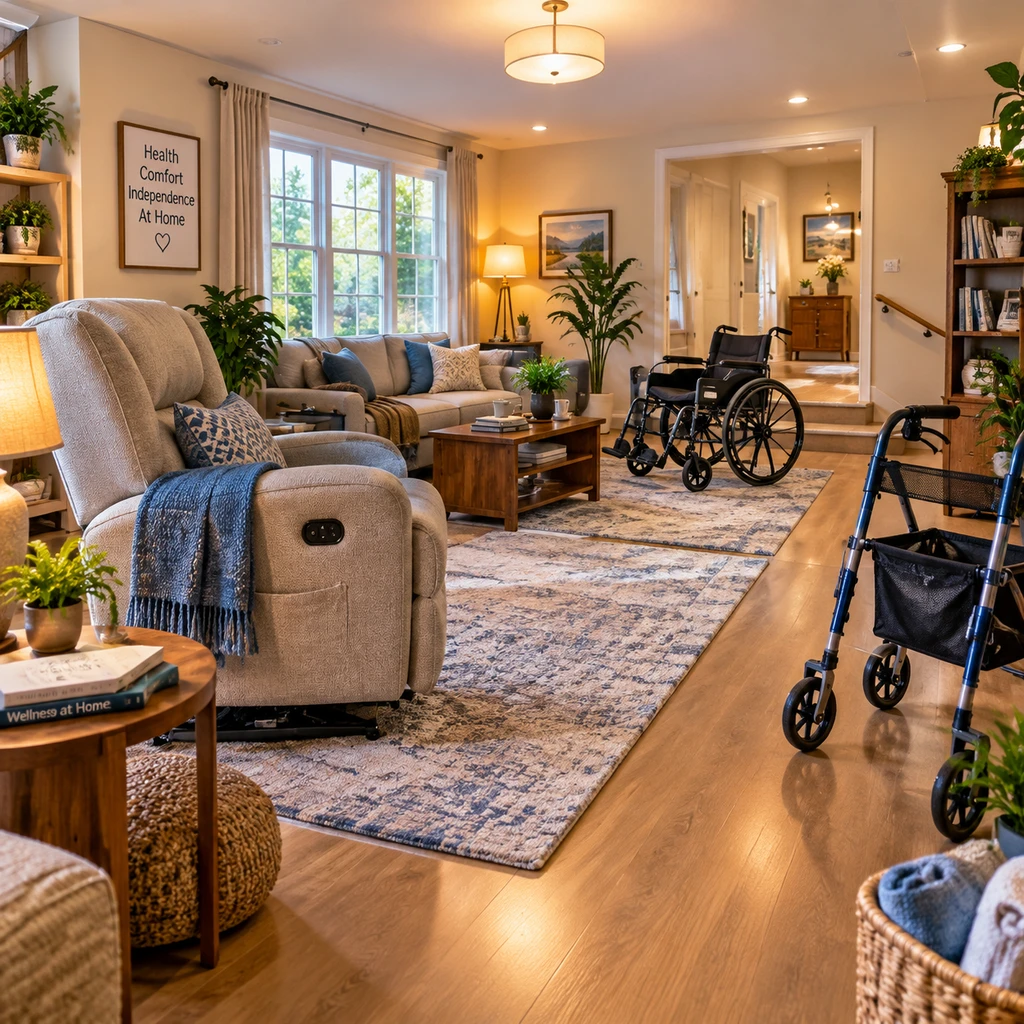
A home wellness environment should help the people who live there feel comfortable, respected, and able to take part in ways that suit them. That can mean clearing a route for a mobility aid, offering a quiet place to decompress, or agreeing on household routines that leave room for different schedules and cultural preferences.
There is no single ideal setup. The most useful changes start with the people who use the space and preserve their dignity, privacy, and choice. Many are low-cost and reversible, which makes it easier to try an idea and adjust if it does not work.
Start with the people who use the space
Begin by asking household members what helps them feel safe and comfortable at home. Needs differ, so collaboration is more reliable than assuming one layout or wellness habit will suit everyone.
Invite input without asking anyone to disclose more than they want. A practical question might be, “Is there a part of the room that feels difficult to use?” or “Would you prefer a quieter option?” Offer ways to respond privately, such as a note or a one-to-one conversation. A person’s needs may also change by the day, so treat their answers as guidance rather than a permanent specification.
This approach reflects universal design: making spaces and routines usable by as many people as possible, while still allowing individual adjustments. Universal design does not mean every person needs the same thing. One person may value a wide, uncluttered route for a wheelchair; another may need a chair with arms or a calm corner away from conversation.
- Ask before moving someone’s belongings or changing a setup they rely on.
- Include children, older adults, disabled people, guests, and caregivers in decisions that affect them.
- Agree on shared areas and identify where personal preferences can take priority.
Use inclusive language that respects how each person describes themselves. Avoid turning a conversation about access into a judgment about someone’s body, habits, or abilities.
Make everyday spaces safer and more accessible
Improve physical safety by keeping routes clear, making surfaces stable, and providing lighting people can use comfortably. Small layout changes can reduce obstacles without requiring major renovations.
Start with the route between the spaces a person uses most, such as the bedroom, bathroom, kitchen, or wellness area. Move loose cords, baskets, and frequently used items out of walkways. Keep floors dry and secure rugs with appropriate non-slip backing, or remove them if they shift. Do not relocate furniture or mobility aids without checking with the person who uses them.
Look at seating and storage from the perspective of reach and transfer. A stable chair with arms may be easier for some people to use, while others may prefer a different height or no arms. Place everyday items where they can be reached without stretching or bending beyond someone’s comfort. Keep mobility aids within reach, with enough space to turn and park them safely.
- Lighting: Add lamps or night-lights where shadows make routes harder to see. Choose controls that are easy to reach.
- Surfaces: Clear spills promptly and check that mats, steps, and frequently used furniture remain stable.
- Layout: Leave enough room around doors and furniture for the people and equipment using the space.
- Storage: Put commonly used supplies at accessible heights and avoid stacking items where they may fall.
Changes should match the home and its users. A brighter bulb may help one person and feel harsh to another; a clear route matters more than a decorative arrangement that narrows it. For larger changes, seek qualified advice where appropriate rather than relying on a general checklist.
Create a sensory-supportive environment
A sensory-supportive environment gives people options for adjusting light, noise, temperature, scent, and visual input. The aim is to offer control and comfort, not to enforce one “calm” setting for everyone.
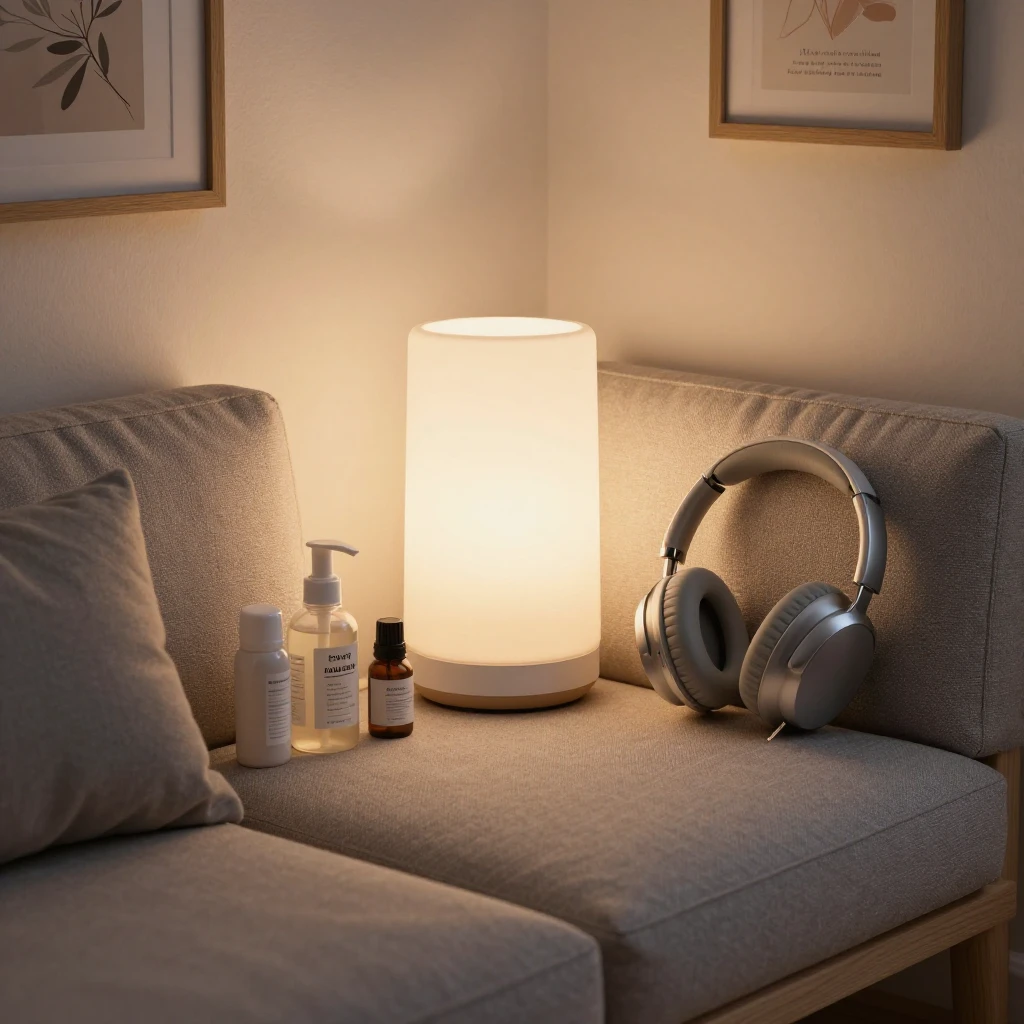
Notice what can be changed quickly. Curtains or blinds can reduce glare; a lamp can provide softer light than an overhead fixture. A door, screen, or headphones may help someone limit noise, while another person may prefer background sound. Provide choices when possible, such as a warmer and cooler seat or a quiet area separate from a shared activity.
Scent is especially personal. Strong fragrances, candles, and cleaning products can be unwelcome or difficult for some people, so ask before using them in shared rooms. Unscented products are a practical default when household preferences differ. Visual clutter can also be tiring; use closed storage or a small, uncluttered surface, but avoid removing items that carry meaning or support someone’s routine.
Try a simple “adjustment menu” that household members can use without needing to explain themselves: lower the volume, dim a lamp, open a window if suitable, or move to a quieter space. Temperature and ventilation preferences may conflict, so discuss workable compromises rather than assuming one setting will suit all.
Support emotional safety, privacy, and autonomy
Emotional safety grows when people can set boundaries, make choices, and trust that their privacy will be respected. At home, consent and autonomy matter as much as the physical layout.
Knock before entering bedrooms or private areas, ask before touching a person or their equipment, and check before sharing personal information with visitors. If someone needs help with a task, ask what kind of assistance they want. Support that is offered without permission can feel intrusive even when the intention is kind.
Make privacy practical. Agree on signals for when someone does not want to be interrupted, and consider how sound travels between rooms. If several people share a home, discuss the use of quiet or private spaces so access does not depend on who speaks loudest. For children and people who need support with decision-making, involve them in choices as much as possible and respect their communication preferences.
Use inclusive language and avoid treating disability, neurodivergence, or cultural difference as something to correct. Household agreements can address specific behaviors—such as asking before borrowing items—without labeling a person as difficult. When tension arises, focus on what would make the shared space workable and safe for everyone involved.
Build inclusive wellness routines
Inclusive wellness routines are flexible practices that people can adapt to their abilities, schedules, and cultural preferences. Offer options rather than making participation a test of commitment.
A shared routine might include stretching, quiet reading, prayer, breathing exercises, music, or simply taking a break. Make it possible to participate seated, standing, briefly, or not at all. A five-minute option may fit a busy or low-energy day better than a fixed 30-minute session. Wellness does not require a particular exercise, diet, spiritual practice, or level of sociability.
Plan routines around real household conditions. Shift workers may need quiet at different hours; a caregiver may have limited uninterrupted time; religious or cultural practices may shape food, clothing, or daily schedules. Ask what matters to each person rather than treating one household’s habits as universal.
- Offer more than one way to join, including a low-effort or seated option.
- Share responsibility for supplies and setup so one person does not carry all the work.
- Keep participation voluntary and make it easy to pause or leave.
- Use adaptable routines that can change with energy, access needs, and schedules.
Choosing flexibility may mean a routine feels less uniform, but it is more likely to remain usable across different days and people. A shared calendar or simple verbal check-in can help coordinate without turning wellness into another obligation.
Review and adapt the environment over time
Review the home wellness environment regularly with the people affected, then make small adjustments as needs, routines, or household members change. A setup that works now may need revision later.
Try a short check-in every few weeks or after a change such as new furniture, a schedule shift, or a guest staying over. Ask what is working, what feels awkward, and what one change would help most. Focus on observable details: Is the route still clear? Does the lighting work at night? Can people find the supplies they use?
Make one or two changes at a time when possible. That makes it easier to tell whether an adjustment helps, and it avoids creating new obstacles while trying to solve an old one. Keep useful items in familiar places unless the person who uses them agrees to move them. If a change does not work, reverse it without blame.
Accessibility is ongoing work, not a final inspection. The goal is a home where people can raise concerns, make choices, and shape the environment together. That process builds trust while keeping safety and comfort grounded in everyday experience.
Frequently asked questions
What does an inclusive home wellness environment mean?
It is a home setup and set of routines that respect different access, sensory, emotional, and cultural needs. People can participate, opt out, and ask for changes without being judged.
How can I make a home safer without major renovations?
Clear walkways, secure or remove shifting rugs, improve lighting in dim areas, keep frequently used items within reach, and leave space for mobility aids. Ask the people who use each area before changing its layout.
How can I make a space more sensory-friendly?
Offer choices for light, noise, temperature, and scent. Try dimmable or task lighting, a quieter area, unscented products, and simple storage to reduce visual clutter. Ask what helps, since sensory preferences vary.
How do I include different household needs in wellness routines?
Ask what forms of activity or rest people enjoy, then offer flexible times and ways to participate. Make routines voluntary and adaptable to different abilities, energy levels, schedules, and cultural preferences.