The Role of Community Support in Personal Wellness Journeys
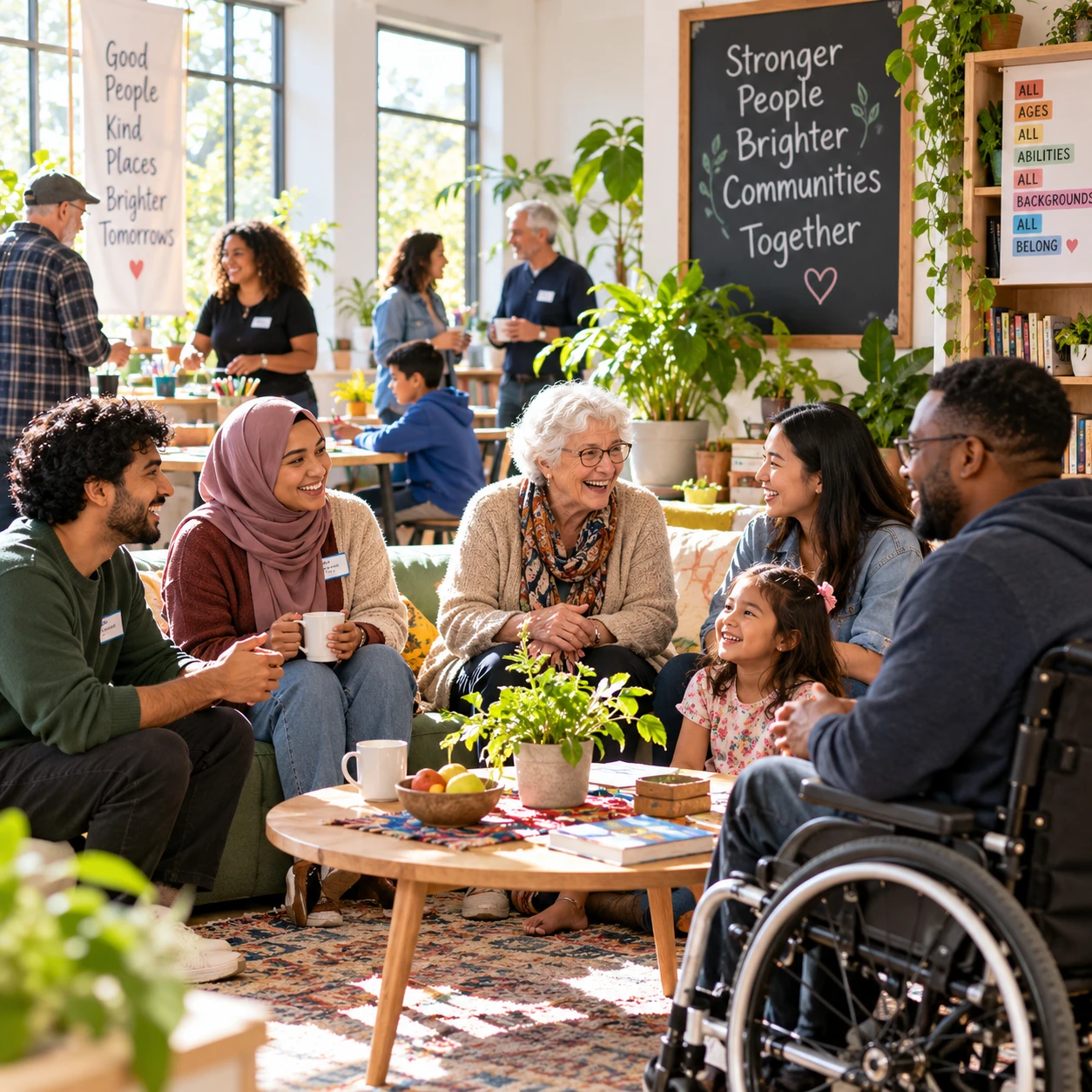
Wellness is often described as a personal journey, but that does not mean you have to manage it alone. Community support can offer companionship, practical help, and a sense of belonging as you navigate changes in your physical, emotional, or social well-being.
Support looks different from person to person. A trusted friend, a peer group, an online community, family members, or a local organization may each play a part. The goal is not to find one perfect group or rely on others for every need. It is to identify connections that feel useful, respectful, and suited to your circumstances.
What community support can mean in a wellness journey
Community support is help and connection shared among people with relationships, experiences, or goals in common. It can come from family and friends, peer support groups, neighborhood networks, cultural organizations, or online communities.
Some support is emotional: someone listens without rushing to fix things. Some is practical, such as a ride to an appointment, shared meals, or help finding a reliable service. Social connection can also mean spending time with others without discussing health or personal challenges at all.
Peer support often brings people together around a shared experience, such as adjusting to a major life change or managing a long-term condition. A peer may understand details that are hard to explain elsewhere. Still, shared experience does not mean identical needs or expertise. One person’s approach may not fit another’s, and personal stories are not a substitute for qualified advice.
Community can be close-knit or low-pressure. It might mean weekly meetings, a group chat you check occasionally, or a neighbor who walks with you once in a while. The most helpful form is the one you choose and can access without sacrificing your comfort or privacy.
How connection can support well-being
Social connection can support emotional well-being by helping people feel heard, less isolated, and more connected to everyday life. Practical support may also make wellness routines easier to maintain, though results vary with a person’s needs and circumstances.
When someone listens with care, it can be easier to name what you are feeling and consider your next step. Encouragement from others may help you keep a manageable routine, while shared activities such as cooking, walking, or creative work can add structure and enjoyment. These benefits are possibilities, not guarantees; a group that feels supportive to one person may feel draining to another.
Community support can also reduce the effort involved in daily tasks. A friend might accompany you to a first appointment, or a local group might share information about accessible recreation. Small acts matter because they can make a task feel more manageable without taking away your independence.
Belonging is another potential benefit. Feeling accepted can help people participate more freely and be themselves. But belonging should not depend on agreeing with everyone, disclosing private details, or following a single version of wellness. Healthy connection leaves room for differences, quiet days, and changing needs.
Finding a community that feels inclusive and safe
A supportive wellness community respects your identity, access needs, privacy, and right to choose how much you participate. Look for signs of respect and shared understanding, then try a low-commitment interaction before deciding whether to stay.
Start with the kind of connection you want. Do you want practical tips, peer support, a social activity, or a place to talk openly? Consider whether you prefer meeting in person, joining online, or having one-to-one contact. A group’s purpose should be clear enough that you can tell whether it matches your needs.
Inclusion is practical as well as welcoming language. Consider the meeting location, cost, transit, schedule, language options, sensory environment, and whether online participation is possible. A group may have kind intentions but still be difficult to access. It is reasonable to ask about accommodations before joining.
Pay attention to how members and facilitators treat boundaries and differences. Safer spaces make participation voluntary, protect confidentiality as far as possible, and avoid pressuring members to share personal information. Cultural sensitivity matters, too: people should not have to explain or defend their background to be treated with respect.
- Read a group’s guidelines and learn who moderates it.
- Ask whether you can observe or attend once before committing.
- Notice whether advice is offered as a personal perspective rather than a universal rule.
- Step back if members shame, pressure, or dismiss you.
Online communities can connect people across distance and mobility barriers, but they have trade-offs. Privacy practices vary, and misinformation can spread quickly. Avoid sharing details you would not want circulated, and verify health claims with a qualified professional.
Asking for and offering support
To ask for support, name one specific need, say what kind of help would be useful, and make it easy for the other person to respond honestly. Clear requests reduce guesswork and let both people make a choice.
For example, instead of saying, “I need help with everything,” you might ask, “Could you sit with me while I make this appointment?” or “Would you be available for a 20-minute walk on Saturday?” You can also specify what you do not need: “I’d like you to listen, not offer solutions right now.”
If asking feels uncomfortable, start with someone who has responded kindly in the past. You do not need to disclose the whole story. A small request can help you learn whether the person is available and trustworthy, without making a large commitment on either side.
Offering support starts with listening and asking what would help. Try, “Would you like company, practical help, or space to talk?” Avoid assuming that your experience applies to someone else. If you cannot help, be honest and, when appropriate, suggest another source of support rather than making promises you cannot keep.
Good support is mutual, but it does not have to be perfectly balanced every day. People’s capacity changes. A healthy relationship allows someone to receive help during a difficult period and contribute in other ways when they have more energy.
Boundaries, changing needs, and professional help
Personal boundaries help make community support sustainable: you can choose what to share, how often to participate, and when to step away. Community connection can complement professional care, but it cannot replace assessment or treatment from qualified providers.
You might set a time limit for a conversation, mute a group chat, decline advice, or keep certain details private. A boundary is a statement about what you can do, such as, “I can talk for 15 minutes tonight,” rather than a demand that another person change. Revisit it when your health, schedule, or comfort level changes.
Common missteps can make support less helpful:
- Expecting one person or group to meet every need. This can strain relationships. Build a small network with different roles, such as companionship, practical help, and professional guidance.
- Sharing more than feels safe to gain acceptance. You do not owe a group your personal history. Participate at a pace that feels right.
- Treating peer advice as medical instruction. People may share useful experiences, but check diagnosis, treatment, and urgent health concerns with a qualified professional.
Consider professional care when distress is persistent, daily life becomes difficult to manage, or you have concerns about your safety. A mental health professional, primary care clinician, or other qualified provider can help assess what is happening and discuss options. If there is immediate danger, contact local emergency services or a crisis service in your area.
For background on social connection and health, the U.S. Centers for Disease Control and Prevention explains how social connectedness can influence well-being. This information can provide context, but it does not determine what kind of support is right for you.
Building support into a personal wellness plan
To build community support into a wellness plan, identify one need, choose a realistic connection, and review whether it is helping after a short trial. Keep the plan flexible so you can adjust your involvement as circumstances change.
A simple approach is to think in three layers: connection, function, and fit. Connection asks who helps you feel heard or less alone. Function asks what practical role that support can play. Fit asks whether the relationship is accessible, respectful, and sustainable for you.
For instance, someone hoping to spend more time outdoors might invite a friend for a short weekly walk, try a local walking group, or join an online community to find accessible routes. They could begin with one walk and reassess after a few weeks. If the group feels too fast-paced or socially demanding, a different format may work better.
Keep expectations modest. A community may offer companionship without solving a health problem, and a new connection may take time to feel comfortable. You can leave a group that no longer fits, pause participation during a busy period, or try another way of connecting. Your wellness plan belongs to you.
Frequently asked questions
What counts as community support?
Community support includes emotional, practical, and social help from people or groups in your life. It can come from friends, family, peers, local organizations, or online communities.
How can I find a wellness community that feels inclusive?
Look for clear guidelines, accessible participation options, respectful moderation, and space for different identities and experiences. Ask questions or attend once before deciding whether to commit.
What if I feel uncomfortable asking for help?
Start with a small, specific request and share only what you feel ready to share. You can also ask someone simply to listen or spend time with you, without discussing private details.
Can community support replace professional care?
No. Community support may complement professional care by offering connection and practical help, but it does not replace assessment or treatment from a qualified provider.